10 Tips to Identify If Your Horse Is in Pain

Horses are strong, graceful animals, but they are also very good at hiding pain. In the wild, showing weakness could make them vulnerable, and even our pampered, well-loved horses may still try to keep discomfort hidden. That means horse owners, caretakers, riders, and barn staff need to pay close attention to small changes. Pain does not always show up as dramatic limping or rolling on the ground. Sometimes it starts as a quieter horse, a pinned ear, a strange look in the eye, or a sudden change in how the horse moves under saddle.

Pain in horses can come from many places, including the feet, joints, muscles, back, teeth, digestive system, hooves, skin, or even poorly fitting tack. Lameness is one of the most common ways pain shows itself, and veterinary sources note that pain is the most common cause of lameness in horses. Colic signs, such as pawing, looking at the flank, rolling, sweating, loss of appetite, and reduced manure output, can also point to abdominal pain and should be treated seriously.
The most important thing to remember is this: you know your horse. You know how he usually greets you, how he eats, how he stands, how he moves, and how he behaves when he is comfortable. When something feels “off,” it is worth paying attention.
1. Watch for changes in attitude
One of the first signs of pain may be a change in personality. A normally friendly horse may become withdrawn, cranky, resistant, or unusually quiet. A calm horse may suddenly act anxious or reactive. A horse who usually comes to the gate may hang back, stand alone, or seem uninterested in people or other horses.

Behavior changes matter. The RSPCA notes that changes in horse behavior may mean the horse is distressed, bored, ill, or injured, and signs such as aggression, avoiding people or other horses, and loss of appetite may suggest suffering.
2. Notice changes in appetite or drinking
A horse who suddenly leaves grain, picks at hay, drops feed, drinks less, or seems uninterested in treats may be telling you something. Appetite changes can happen with dental pain, digestive discomfort, fever, stress, or more serious illness. If a horse refuses food, especially if this is unusual for that horse, it should not be ignored.

Loss of appetite is also one of the signs that may appear with colic, along with depression, pawing, rolling, sweating, and reduced bowel movements.
3. Look closely at movement
Limping is an obvious sign, but pain-related movement changes are not always dramatic. Your horse may shorten his stride, stumble more often, drag a toe, resist turning, have trouble backing up, or seem stiff when starting out. He may warm up slowly or feel uneven under saddle.

Lameness is not a disease by itself. It is a sign that something is wrong, and it may be related to pain, mechanical restriction, or neurologic problems. Pain is the most common cause of lameness in horses.
4. Pay attention to posture
A horse in pain may stand differently. He may shift weight from one foot to another, point a front foot, stand camped under or stretched out, arch his back, hold his head low, or look tense through the neck and belly. A horse with hoof pain may be reluctant to move or may try to take weight off the sore foot.
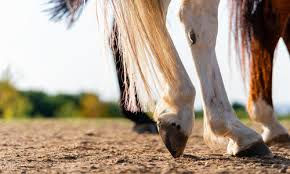
Posture can be one of those quiet clues that tells you your horse is uncomfortable before the problem becomes obvious.
5. Watch the face and eyes
A horse’s face can say a lot. Pain may show as a tight mouth, clenched jaw, worried eyes, flared nostrils, a tense expression, or ears pinned back more often than usual. Some horses grind their teeth when they hurt. Others may look dull, distant, or unusually still.
This is where daily observation helps. A horse who usually has a soft, curious expression but suddenly looks tense or guarded may be uncomfortable.
6. Notice behavior under saddle
Pain may show up during riding as refusal to move forward, bucking, rearing, bolting, head tossing, tail swishing, hollowing the back, resisting transitions, refusing jumps, or becoming difficult to bridle or saddle. Sometimes what looks like “bad behavior” is actually pain.
Pain indicators in ridden horses can include repeated head position changes, head tilt, moving the head side to side, and head tossing.
Before assuming a horse is being stubborn, it is kinder and safer to ask, “Could something hurt?”
7. Check for signs of belly pain
Colic is one of the most serious pain situations in horses. Signs may include pawing, looking at the flank, curling the upper lip, kicking at the belly, lying down, rolling, sweating, stretching as if to urinate, straining, loss of appetite, depression, abdominal distention, and fewer bowel movements. A horse may not show every sign, so even one or two concerning symptoms should get your attention.

Colic can become an emergency quickly. If you suspect colic, call your veterinarian right away.
8. Watch for grooming or touch sensitivity
A horse in pain may flinch, pin his ears, move away, swish his tail, kick, bite, or tighten his muscles when touched in a certain area. He may object to grooming, blanketing, girthing, hoof picking, or having his back, neck, or belly handled.
This does not mean the horse is “mean.” It may mean he is protecting a painful spot. Sudden touch sensitivity deserves a closer look.
9. Look for changes in social behavior
Horses are social animals, so changes in herd behavior can be a clue. A horse who normally spends time with others may isolate himself. He may stop grooming with friends, avoid play, become more aggressive, or allow himself to be pushed away from food and water.
The RSPCA notes that a healthy horse is usually alert, inquisitive, social with other horses, and shows normal herd behaviors such as mutual grooming and resting. Changes away from those normal habits may be worth investigating.
10. Trust the small signs
Sometimes the earliest sign is simply that your horse is not acting like himself. Maybe he is slower to come to you. Maybe he pins his ears when you tighten the girth. Maybe he does not want to pick up one foot. Maybe his eye looks different. Maybe he is still eating, but not with his usual enthusiasm.

Those small changes matter. The Oregon Veterinary Medical Association points out that while some pain signs are obvious, others are subtle, and changes in activity level and behavior are often important indicators of pain.
If your horse seems off, take notes. Write down what you see, when it started, whether it is getting better or worse, whether he is eating and drinking, how much manure he is passing, and whether there are changes in movement or behavior. This information can help your veterinarian understand what is happening.

Pain in horses should never be brushed aside. Some discomfort may be mild and temporary, but some signs can point to serious problems that need quick care. Call your veterinarian if your horse has signs of colic, sudden lameness, refusal to eat, swelling, fever, abnormal behavior, difficulty standing, severe sensitivity, or any change that worries you.
The more you know your horse’s normal habits, the faster you can recognize when something is wrong. Your careful eyes, calm attention, and willingness to act early can make all the difference.
If your horse is showing signs of pain, don’t wait and hope it passes. Watch closely, write down what you see, and contact your veterinarian for guidance. Early attention can help protect your horse’s comfort, safety, and long-term health.

While we no longer include horses in our care packages, we have had horses in the past that were both beautiful and frustrating at times. Horses require very close attention to their behavior, as stated above, because they may not act out their pain in ways that you can see. They are very private about pain in particular. So, please observe your horse daily for any deviation for their normal behavior and ask yourself "why is this different?"



Comments