A Friendly Guide to the Different Types of Hamsters

Hamsters may be tiny, but they come with big personalities, funny little habits, and very different care needs depending on the type. If you have ever looked at hamsters in a pet store and thought, “Aren’t they all basically the same?” you are definitely not alone. At first glance, they all look like adorable balls of fluff with twitchy noses and busy little feet. But once you learn more about them, you discover that each type has its own temperament, size, activity level, and best way to be cared for.

The most familiar hamster is the Syrian hamster, sometimes called the golden hamster. This is the larger hamster most people picture when they think of a pet hamster. Syrians usually grow to about 5 to 7 inches long, which makes them easier to handle than the tiny dwarf varieties. They come in many colors and coat types, including short-haired, long-haired, satin, and teddy bear varieties. One important thing to know about Syrian hamsters is that they are solitary. That means they should live alone. Even if two seem friendly when they are young, they can become territorial and fight as they mature.

Syrian hamsters are often a good choice for beginners because they are large enough to handle more easily and are usually calmer once they get used to their person. They are nocturnal or crepuscular, meaning they are most active in the evening and at night. So if you are hoping for a pet that is awake and ready to play in the middle of the day, a hamster may not be the best match. But if you enjoy watching a little creature run on a wheel, stuff food in its cheeks, and rearrange its bedding like a tiny interior designer, a Syrian hamster can be delightful.

Campbell’s dwarf hamsters are much smaller than Syrians, usually about 3 to 4 inches long. They are quick, active, curious little animals with a darker stripe down their backs. Unlike Syrian hamsters, Campbell’s dwarf hamsters may sometimes live with another hamster of the same species if they are introduced properly, raised together, and have plenty of space. However, there is always a risk of fighting, so they must be watched carefully. Many pet owners choose to keep them alone to be safe.

These little hamsters are full of energy and can be fun to observe, but because they are so small and fast, they may be harder for children or first-time owners to handle. They are better suited for someone who is patient and willing to move slowly when building trust. Campbell’s dwarf hamsters may also be more prone to diabetes than some other types, so their diet matters. Sugary treats should be limited, and they need a balanced hamster food, fresh water, and safe chew toys.

Winter white hamsters look similar to Campbell’s dwarf hamsters, but they have their own special charm. They are also small, usually around 3 to 4 inches long, and they are known for their ability to turn lighter or even white in colder seasonal conditions. In a home environment, this color change may not always happen, but it is still one of the traits they are known for.

Winter whites are often described as a little gentler than Campbell’s dwarf hamsters, though every hamster has its own personality. Some are sweet and calm, while others are shy or nervous at first. Like all hamsters, they need time to settle in before being handled. A good approach is to let them get used to your voice, then offer a treat from your hand, and only later try gentle handling. Forcing interaction too soon can make a hamster frightened, and a frightened hamster may nip.

Roborovski hamsters, often called Robos, are the tiniest of the common pet hamsters. They are usually only about 2 to 3 inches long, but what they lack in size, they make up for in speed. These are tiny athletes. They are fast, busy, and endlessly entertaining to watch, especially when they have a roomy enclosure, a proper wheel, tunnels, sand baths, and plenty of enrichment.

Roborovski hamsters are not usually the best choice for someone who wants a cuddly pet. They are more of a “watch and admire” hamster than a “hold and snuggle” hamster. That does not make them less wonderful. It just means their personality is different. They can be a great choice for someone who enjoys creating a natural-looking habitat and watching small animal behavior. Because they are so quick, they need a very secure enclosure. A tiny escape artist can disappear into a house faster than you would ever think possible.

Chinese hamsters are sometimes grouped with dwarf hamsters, but they are actually a bit different. They have a longer, slimmer body and a slightly longer tail than other pet hamsters. They usually grow to about 4 to 5 inches long. Chinese hamsters can be shy at first, but with patient handling, many become quite sweet and comfortable with their person.
Because of their slender shape and climbing ability, Chinese hamsters need a secure enclosure with no wide gaps or risky climbing areas where they could fall. They are active and curious, and they appreciate places to hide, burrow, and explore. Like Syrian hamsters, Chinese hamsters are usually best housed alone. Some may tolerate another Chinese hamster, but fighting can happen, and safety should always come first.

No matter which type of hamster you choose, good care starts with the right setup. Hamsters need more space than many people realize. A tiny cage with a little wheel and a plastic house is not enough for a healthy, happy hamster. They need room to run, a solid exercise wheel that is the right size for their body, deep bedding for burrowing, safe chew items, hiding places, fresh water, and a good-quality hamster food.
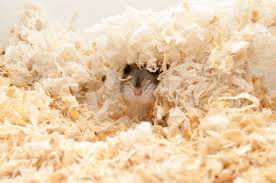
Bedding is especially important because hamsters are natural burrowers. They love to dig, tunnel, and make cozy sleeping areas. Paper-based bedding is usually a safe choice. Avoid cedar and pine shavings because the strong oils can irritate a hamster’s respiratory system. A sand bath can also be helpful, especially for dwarf hamsters, because it allows them to clean their coats naturally. Just be sure to use safe sand, not dusty powder.

Food is another area where people sometimes misunderstand hamster care. Hamsters need a balanced diet made for hamsters, along with small amounts of safe fresh foods. They may enjoy tiny pieces of vegetables, but fruits and sugary treats should be limited. Those cute cheek pouches are made for storing food, and part of the fun of owning a hamster is watching them pack their cheeks until they look like they are carrying groceries for a week.
Handling should always be gentle and patient. Hamsters are prey animals, which means sudden movements, loud noises, or being grabbed from above can scare them. It is better to let your hamster come to you. Talk softly, move slowly, and give them time to learn that your hands are safe. Some hamsters become very friendly, while others prefer limited handling. Respecting their personality is part of being a good hamster owner.
It is also important to remember that hamsters are not long-lived pets. Most live around 1.5 to 3 years, depending on the type and their overall health.
Roborovski hamsters may sometimes live a bit longer, while some dwarf hamsters may have shorter lifespans. This can be hard, especially for children, but it is part of caring for these small animals. Even though their lives are short, they can bring a lot of joy during the time they are with us.
So which hamster is best? That depends on what you are looking for. If you want a hamster that is easier to handle and better for beginners, a Syrian hamster may be the best choice. If you like tiny, active pets and are comfortable with a little more patience, a dwarf hamster may be a good fit. If you want a speedy little creature to watch more than hold, a Roborovski might steal your heart. If you like a unique-looking hamster with a gentle but curious nature, a Chinese hamster may be just right.
The main thing is to choose the hamster whose needs match your home, your schedule, and your expectations. Hamsters are not starter pets in the sense that they need very little care. They are small, but they still deserve thoughtful care, proper housing, good food, patience, and respect. When we understand who they are and what they need, we can give them a safe, happy little life full of burrows, snacks, wheel-running, and cozy naps.
Call to action
Thinking about adding a small pet to your family? Take time to learn about their care needs first, and choose the hamster whose personality and lifestyle fit your home best. A happy hamster starts with an informed human.

At Your Furry Godmothers, we love these cute, intelligent, and individualized beings. Pocket pets are always a winner with us. We know how to care for them and we know about their particular needs nutritionally. If you are going to be gone on vacation for a longer period, call us to care for your pocket pet if you live in Oklahoma City. You can reach us at (405) 673-3306; we would love to speak with you about your hamster's care.


Comments