Cats and Diabetes A Growing Problem and What You Can Do to Protect Your Feline Friend
- Shirley Williams
- Nov 11, 2025
- 3 min read

Updated: Dec 5, 2025
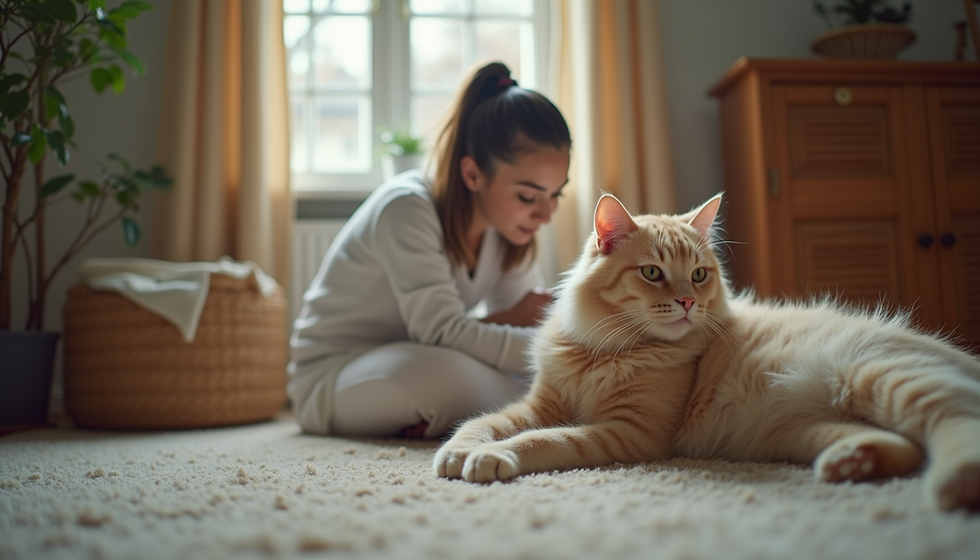
When we think about diabetes, we usually think of people—but more cats are being diagnosed with diabetes every year, and it often sneaks up quietly. Cats are experts at hiding discomfort. They don’t complain, they don’t act sick until they can’t hide it anymore, and by the time the signs are obvious, the disease can be advanced. World Diabetes Day feels like the perfect time to talk openly about this, because awareness is the first step toward early detection and better outcomes.

The earliest signs of diabetes in cats can be easy to miss. One of the very first things people notice is an increase in thirst and urination. A cat who used to barely touch their water bowl suddenly can’t get enough, or you find the litter box wetter and heavier than usual. Some cats lose weight even though they’re eating the same—or even more. Others become lethargic or stop acting like their usual curious selves. A few cats start walking differently, almost like they’re walking on their heels instead of their toes, which is a sign of nerve damage from untreated diabetes. If something changes and it doesn’t feel right, that’s your gut telling you to check in with your vet.

One of the big questions people ask is, why does diabetes appear more often in cats than dogs? The short answer is lifestyle and metabolism. Cats are obligate carnivores, which means their bodies are designed to burn protein and fat for energy. When cats eat high-carb foods, especially dry kibble that’s full of grains, their pancreas works overtime to keep blood sugar regulated. Over time, that constant strain can lead to insulin resistance. Combine that with lack of exercise and excess weight, and it creates the perfect storm for diabetes to develop. Dogs are more adaptable eaters. Their bodies handle carbs a little better, so diet-related diabetes is less common in dogs than cats. That doesn’t mean cats can’t enjoy treats or kibble—it just means we have to pay attention to balance and portion control.

If your cat is diagnosed, treatment usually starts with insulin injections. I know the idea of giving a shot every day sounds intimidating, but cat parents are surprised at how easy it becomes. The needles are tiny, and most cats barely notice. Your vet may also recommend switching to a low-carb, high-protein diet. Many diabetic cats improve dramatically just from diet changes alone. Some even go into remission, meaning they no longer need insulin, and that’s a goal worth fighting for. Along with insulin and diet, regular monitoring at home is becoming more common. Glucose monitors designed for cats can help track progress without constant vet visits, and it gives you peace of mind.

Healthy eating goes a long way in preventing diabetes and also in managing it. Cats do better on diets that mimic what they would eat in the wild—more protein, fewer carbs. Wet food is usually the better choice because it’s naturally lower in carbs and keeps cats hydrated. If dry food is part of the diet, choose a high-protein formula and watch the serving sizes. Free-feeding (leaving food out all day) is one of the fastest ways to create an overweight or diabetic cat. Instead, structured meals at specific times give your cat the nutrition they need without constant grazing. Encouraging activity is just as important. A five-minute play session with a wand toy twice a day can do wonders for their weight and mental stimulation. Cats need movement, even if they pretend they don’t.

The most powerful thing a pet parent can do is pay attention. You know your cat better than anyone else. If your cat starts drinking more water, seems tired, or loses weight unexpectedly, don’t wait to “see if it gets better.” Early diagnosis means easier treatment and better long-term health.
If you’d like support caring for a diabetic cat—especially one who needs scheduled feedings, insulin injections, or just someone patient and gentle to check on them—we are here for you.
Book a Meet and Greet with Your Furry Godmothers and let us care for your pet in the way only true cat lovers can.

Call/text us at (405) 673-3306 or book online at www.yourfurrygodmothers.com


Comments