Dog Bloat Could Kill Within Hours – Know the Signs Before It's Too Late

Have you ever watched your dog acting strangely after eating and wondered if you should be worried?
Most of the time, it's something minor. Maybe they ate too fast or have a little upset stomach. But there is one condition every dog owner should know about because waiting—even for an hour or two—can make the difference between life and death.
It's called bloat, or more accurately Gastric Dilatation-Volvulus (GDV).

Although it isn't one of the most common emergencies, it is one of the most deadly. The good news is that recognizing the signs early and acting immediately can save your dog's life.
What Is Dog Bloat?
Bloat happens when a dog's stomach fills with gas, food, or fluid and begins to expand. In some dogs, the stomach then twists on itself, cutting off its own blood supply and trapping the gas inside.
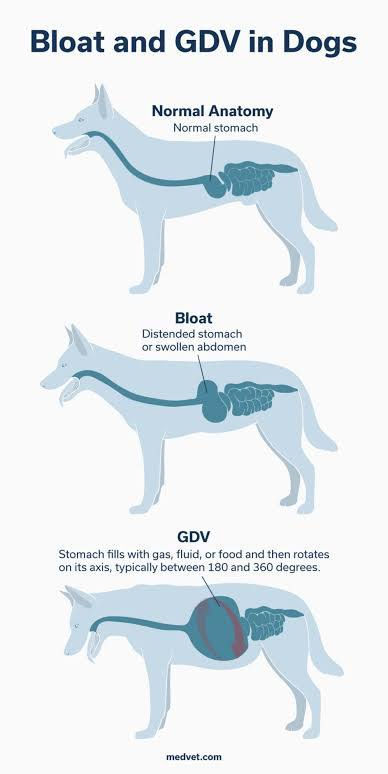
Once the stomach twists, blood flow to other organs can also be affected. Without emergency surgery, many dogs will not survive.
This is why veterinarians consider GDV one of the true emergencies in veterinary medicine.
Which Dogs are Most at Risk?
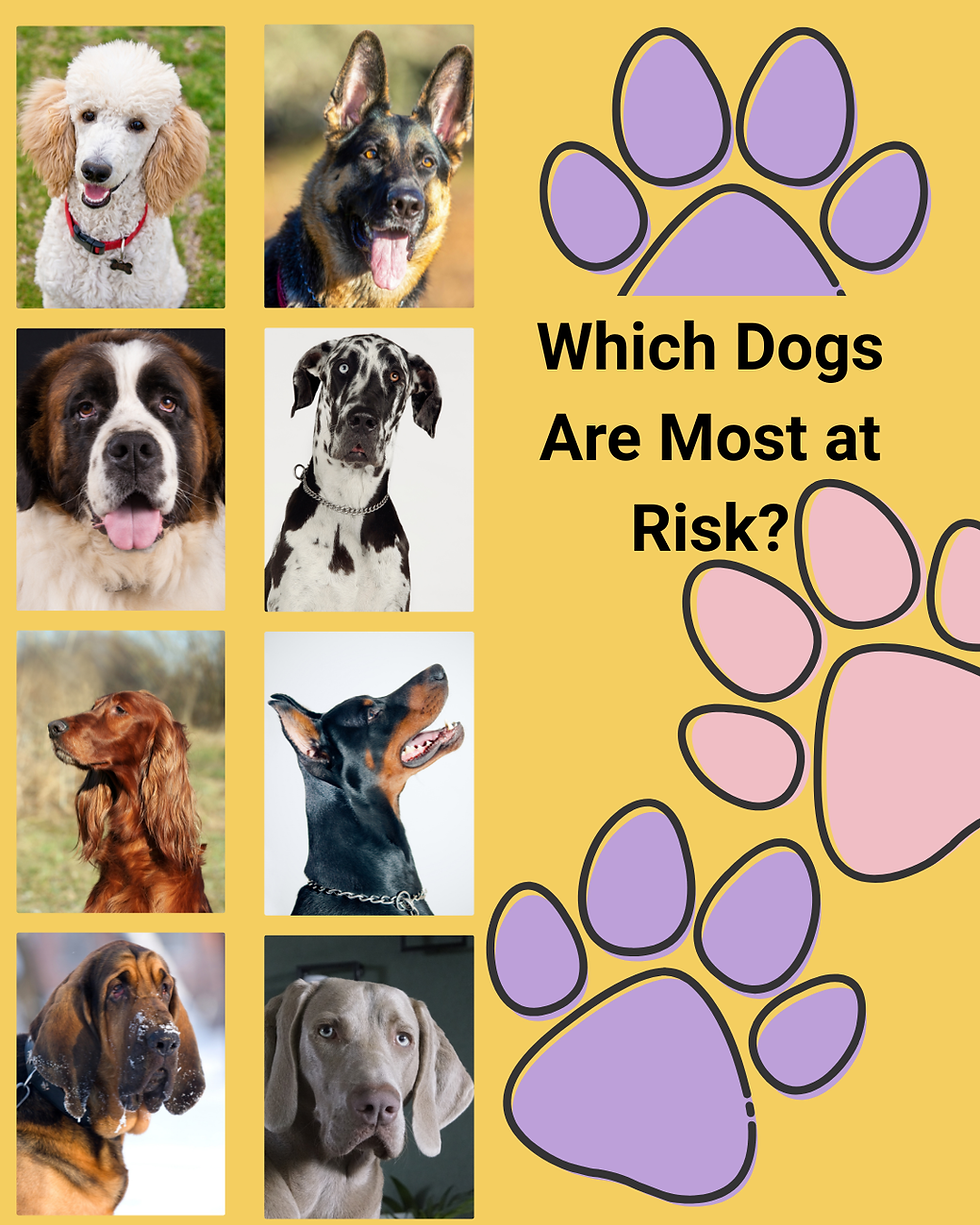
Although bloat can occur in almost any dog, certain dogs have a higher risk.
These include:
Great Danes
German Shepherds
Standard Poodles
Doberman Pinschers
Irish Setters
Weimaraners
Saint Bernards
Bloodhounds
Other large and deep-chested breeds
Risk may also increase in dogs that:
Eat one large meal each day
Eat very rapidly
Swallow excessive air while eating
Exercise vigorously immediately after meals
Have close relatives who experienced bloat
Are older adults
Even mixed breeds can develop GDV, so every dog owner should recognize the warning signs.
Early Warning Signs Every Dog Owner Should Know
One of the biggest dangers is that many people mistake bloat for an upset stomach.
Watch for:
Restlessness
Pacing
Repeated attempts to vomit with little or nothing coming up
Excessive drooling
Swollen or tight abdomen
Signs of abdominal pain
Rapid breathing
Pale gums
Weakness or collapse
Many owners describe their dog as looking uncomfortable but unable to settle down.
That restlessness is often one of the earliest clues.
What Should You Do?
If you suspect bloat:
Call an emergency veterinarian immediately.
Do not wait to see if your dog improves.
Do not try home remedies.
Do not encourage eating or drinking.
Do not attempt to relieve the gas yourself.
Get your dog into the car and head to the nearest emergency veterinary hospital while someone calls ahead if possible.
Every minute matters.
Can Bloat Be Prevented?
There is no guaranteed way to prevent GDV, but several habits may reduce the risk.
Consider:
Feeding two or more smaller meals daily instead of one large meal
Slowing down fast eaters with a slow-feeder bowl or puzzle feeder
Avoiding strenuous exercise immediately before and after meals
Keeping fresh water available without encouraging excessive rapid drinking after heavy activity
Discussing preventive gastropexy with your veterinarian gastropexy with your veterinarian if you own a high-risk breed
If your dog belongs to a high-risk breed and is already having surgery to be spayed or neutered, ask your veterinarian whether preventive gastropexy might be appropriate.
A Story You Never Want to Tell
Imagine this.
Your dog finishes dinner and begins pacing around the house. They try to vomit several times but nothing comes up. They won't lie down. Their belly seems a little larger than normal, but you think it might just be gas.
You decide to wait until morning.
During the night, the stomach twists. Blood supply is cut off.
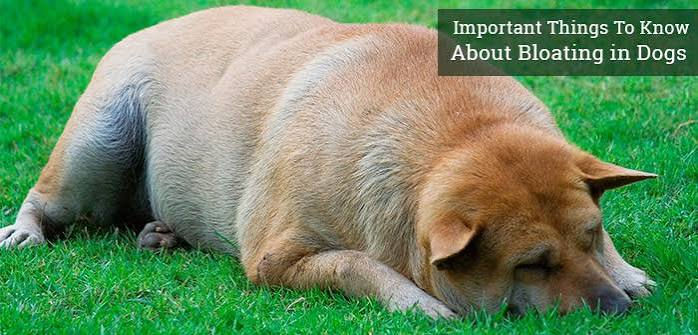
By sunrise, what looked like a stomachache has become a life-threatening emergency.
That scenario is exactly why veterinarians encourage pet owners to treat suspected bloat as an emergency rather than "waiting to see."
My RN Perspective
During my years as a registered nurse, I learned that recognizing an emergency early often saves lives. We were taught to pay attention to subtle changes long before someone became critically ill.
Our pets deserve that same careful observation.
Dogs cannot tell us where it hurts. Instead, they communicate through changes in behavior—restlessness, pacing, drooling, repeated attempts to vomit, or simply acting "not quite right." Learning to recognize those signs gives you the opportunity to act before valuable time is lost.
I hope you never experience bloat with your own dog. But if you ever do, I hope this information helps you trust your instincts and seek emergency veterinary care immediately.
Download Your Free Dog Bloat Emergency Checklist
We've created a simple, printable Dog Bloat Emergency Checklist that summarizes the warning signs and the steps to take if you suspect GDV.
Print it. Place it on your refrigerator. Keep a copy with your pet sitter or anyone who cares for your dog. When emergencies happen, having the information in front of you can make all the difference.
Continue Reading
If you found this article helpful, you may also enjoy:
Comfort and Compassion for Every Pet in Every Stage of Life

At Your Furry Godmothers, I believe caring for pets means more than feeding and walking them. It means noticing when something isn't right, acting quickly when they need help, and helping families feel confident caring for the animals they love.
If you're in the Oklahoma City area and are looking for an experienced, compassionate pet sitter—especially for senior pets or those with medical needs—I'd love to meet you.
Schedule your free Meet & Greet today.
Use the QR code to the right to go to the site and schedule your free Meet & Greet.

Comments