Five Signs Your Pet Is Bored (And Easy Ways to Bring Back the Joy)

Have you ever come home to find a chewed-up shoe, a shredded paper towel, or a cat proudly knocking your favorite pen off the table for the third time that day?
Your first thought might be, "What on earth were you thinking?"

If our pets could answer, they might simply say, "I was trying to entertain myself."
As pet owners, we sometimes forget that boredom isn't just a human problem. We can pick up a book, watch television, call a friend, or head outside for a change of scenery. Our pets rely on us to provide not only food, water, and exercise, but also opportunities to use their minds. Mental stimulation is just as important as physical activity, and when it's missing, our pets often find creative ways to fill the time.
Here are five common signs your pet may be asking for a little more excitement.
1. Destructive Behavior
Dogs may chew furniture, shoes, blankets, or anything else they can reach. Cats may scratch furniture, attack houseplants, or swipe objects off shelves just to see what happens. While these behaviors can have several causes, boredom is often one of them.
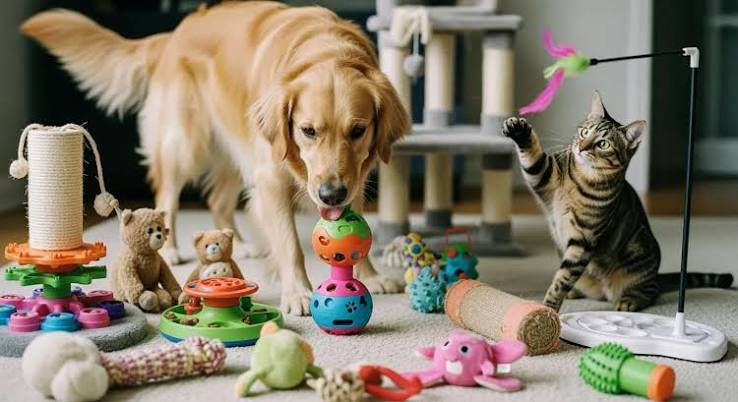
Instead of simply replacing another toy, try rotating the toys your pet already has. Puzzle feeders, treat hunts around the house, and short play sessions often provide much more satisfaction than another toy sitting in the basket.
2. Constant Attention-Seeking
Does your dog bring you the same tennis ball over and over? Does your cat decide your keyboard is the perfect place to nap every time you sit down to work?
Your pet isn't necessarily being demanding. They're often saying, "I'd really like to do something with you."

Even ten or fifteen minutes of focused play, training, or cuddling can make a tremendous difference.
3. Sleeping More Than Usual
Dogs and cats naturally sleep a great deal, so don't assume every nap means boredom. However, if your normally curious pet seems to sleep because nothing interesting ever happens during the day, it may be time to add a little variety.
Always rule out medical problems first if you notice a sudden change in your pet's behavior. Once your veterinarian has confirmed they're healthy, try changing your walking route, introducing a cardboard box or climbing space for your cat, hiding treats for them to discover, or teaching a simple new trick. A little novelty goes a long way.
4. Repetitive Behaviors
Pacing, excessive licking, repetitive barking, constant meowing, or walking the same path repeatedly can sometimes signal that your pet needs more mental stimulation.
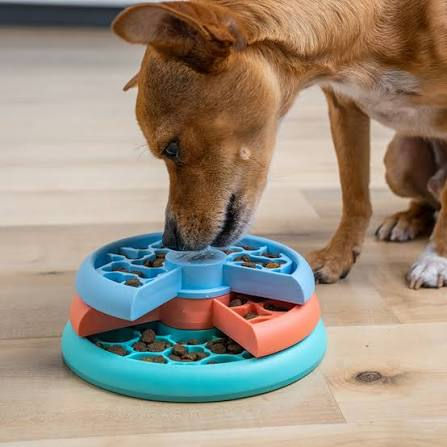
Think of your pet's brain the same way you think about their muscles. Both need regular exercise. Activities that encourage sniffing, exploring, problem-solving, and learning help satisfy natural instincts while reducing unwanted behaviors.
5. Following You Everywhere
Sometimes your pet follows you because you're their favorite person. Sometimes they simply enjoy your company. Other times, you're the most interesting thing happening all day.
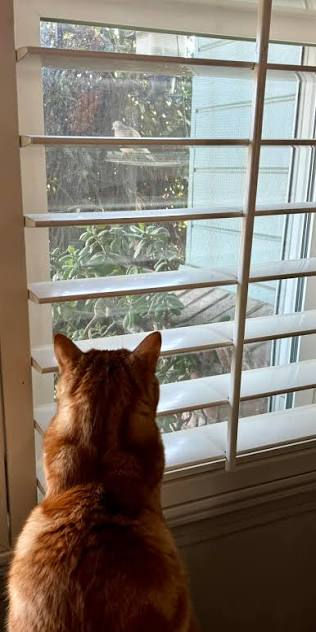
If your dog or cat shadows your every move, ask yourself whether they have opportunities to entertain themselves through enrichment activities. Food puzzles, scent games, window perches, bird feeders outside the window, safe chew toys, and interactive play all help make the day more interesting.
If your pet is your constant shadow, you may also enjoy reading our article, Why Does My Dog Follow Me Everywhere? Understanding Your Shadow on Four Legs. Cat lovers might also enjoy Why Your Cat Follows You Everywhere.
Boredom Doesn't Mean You're a Bad Pet Parent
Life gets busy. Work runs late. Oklahoma summers get hot. Sometimes we're simply tired. That doesn't mean we're failing our pets.
The important thing is recognizing when they need a little more engagement and responding with patience instead of frustration. Often, just a few minutes of intentional interaction can completely change a pet's day.
Whether it's a game of fetch, a feather wand, a sniff walk, or simply sitting together in the backyard, those moments strengthen the bond we share with our animals.
💜 Nurse's Note
During my years as a registered nurse, I learned that behavior is communication. The same lesson applies to the pets we love.
When a pet suddenly becomes destructive, withdrawn, unusually vocal, or constantly seeks attention, they're trying to tell us something. Sometimes it's boredom. Sometimes it's stress. Occasionally it's a medical issue that deserves a visit to the veterinarian.
Instead of assuming your pet is "being bad," pause and ask yourself what they may be trying to communicate.
💜 From One Pet Lover to Another
One of my favorite parts of pet sitting isn't simply feeding pets or letting dogs outside. It's spending those extra few minutes tossing a ball, hiding treats around the room, brushing a cat who loves the attention, or sitting quietly with an older dog who simply wants someone nearby.
Those small moments matter more than we sometimes realize.
Our pets don't expect extravagant entertainment. They simply want to share life with us. A little attention, a little play, and a little creativity often become the very best part of their day.
Continue Reading
If you found this article helpful, you may also enjoy:

If you live in the Oklahoma City metro area—including Warr Acres, Bethany, Yukon, The Village, Nichols Hills, northwest Oklahoma City, or south Edmond—and you're looking for compassionate, dependable in-home pet care, I'd love to meet you and your pets. Contact Your Furry Godmothers today to schedule your free Meet & Greet!
Use the QR code below to schedule your meet and greet today.


Comments