The Hidden Warnings Pets Give Before a Bite and How to Keep Everyone Safe

If you’ve ever been surprised by a dog snapping or a cat swatting, you’re not alone. Most bites don’t come “out of nowhere.” Our pets are almost always trying to tell us something before they reach that point—we just don’t always recognize the signs.
Pet Bite Prevention Week is a great time to slow down and really think about how we interact with the animals in our care. Whether it’s your own pet, a client’s pet, or a neighbor’s dog, understanding their signals can prevent injuries and build stronger trust.

One of the biggest misconceptions is that a “good” pet would never bite. The truth is, even the gentlest animal can react if they feel scared, overwhelmed, or in pain. Biting is usually a last resort after quieter signals have been ignored.

Dogs, for example, tend to give a series of warnings before things escalate. You might notice their ears pin back, their body stiffens, or they turn their head away. Some will lick their lips, yawn when they’re not tired, or show the whites of their eyes. These are all ways of saying, “I’m uncomfortable.” If that message isn’t heard, the dog may growl, snap, or bite.

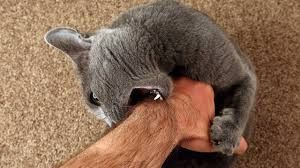
Cats are just as expressive, though their signals look a little different. A flicking tail, flattened ears, dilated pupils, or a low growl are all signs that a cat is reaching its limit. Many bites happen during petting sessions that go on just a bit too long. One minute they seem relaxed, and the next—swat. That shift usually wasn’t sudden. The warning signs were there.

Children are especially at risk simply because they don’t yet understand these cues. They may hug too tightly, approach a pet while it’s eating, or try to interact when the animal wants space. Teaching children to ask permission, move slowly, and recognize when a pet wants to be left alone is one of the most important things we can do.
It also helps to think about timing. Pets are more likely to react when they’re sleeping, eating, in pain, or protecting something they value. Even a normally easygoing dog may snap if startled awake or if someone reaches into their food bowl. Respecting those moments goes a long way toward preventing problems.
For those of us caring for senior or medically fragile pets, this becomes even more important. Pain can lower tolerance, and a pet who has never shown aggression before may react differently when they’re uncomfortable. That’s not a personality change—it’s communication.
The good news is that prevention is usually simple once you know what to look for. Give pets space when they ask for it. Watch their body language. Keep interactions calm and predictable. And never punish a growl—because that growl is a warning that helps prevent a bite.
At the end of the day, bite prevention isn’t about fear. It’s about respect. When we listen to our pets and respond with patience, we create a safer, more trusting relationship for everyone involved.
If you ever feel unsure about a pet’s behavior, it’s always okay to pause, step back, and reassess. A moment of awareness can prevent an injury and protect that bond we all value so much.
Here's a post with 6 ways to stop a dog from biting that you may enjoy: Dog Bites -- Why your dog may bite even you
At Your Furry Godmothers LLC, we believe in gentle, informed care for pets at every stage of life. If you need help with a pet who requires a little extra patience or understanding, we’re here for you.

Reach out today to schedule a meet and greet and let’s keep your pets safe, comfortable, and cared for. We love to help you learn how to avoid bites from your pets. Call us today at (405) 673-3306 and schedule a free "meet & greet" with our sitters so we can start a relationship and be available to help you whenever you need us.

Comments