TNR Saves Lives and Neighborhoods: The Truth About Helping Community Cats

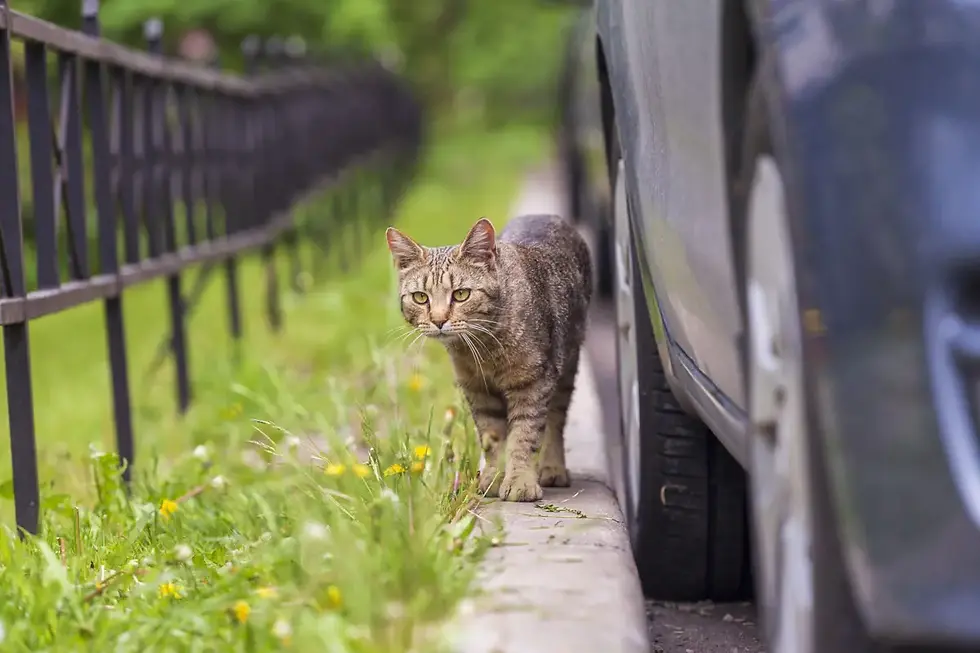
If you’ve ever seen cats wandering your neighborhood—slipping between fences, resting under bushes, or showing up like clockwork around dinner time—you’ve already met what are called community cats. These cats aren’t lost pets. They live outdoors, often in loose colonies, and they’ve learned how to survive without direct human ownership.

The question has always been what to do about them. For years, communities struggled with this, and unfortunately, many solutions were ineffective or inhumane. That’s where TNR, or Trap Neuter Return, changed everything.
TNR is exactly what it sounds like. Cats are humanely trapped, taken to a veterinarian where they are spayed or neutered, vaccinated, and then returned to the exact place they were found. You’ll often notice one ear has a small tip—that’s the universal sign that a cat has already been through the program.

At first glance, some people wonder why we would return cats instead of removing them. But here’s where it gets interesting.
When cats are removed from an area, new cats move in. It’s called the vacuum effect. The food sources are still there, the shelter is still there, and nature fills that space quickly. So removal alone doesn’t solve the problem—it just resets it.
TNR, on the other hand, stabilizes the colony.
Once cats are spayed or neutered, several important things happen. The population stops growing. That alone is huge. No more litters being born into harsh outdoor conditions, no more kittens struggling to survive.
But the benefits don’t stop there.

Neutered cats are generally quieter. The loud yowling that comes with mating behavior? That fades. Fighting decreases. Spraying is reduced. In other words, many of the behaviors that frustrate neighbors begin to disappear over time.
From a health perspective, TNR is a lifesaver for the cats themselves. They receive vaccinations, which helps prevent the spread of diseases like rabies. Spaying females eliminates the stress and risks of repeated pregnancies. Neutering males reduces injuries from fighting.
And perhaps most importantly, these cats are allowed to live out their lives in the environment they already know—without adding to the cycle of suffering.
For neighborhoods, the change can be just as meaningful. A managed colony is far less disruptive than an unmanaged one. Caregivers often step in to provide regular feeding, which keeps cats from rummaging through trash or seeking food in less desirable ways. Over time, the colony naturally shrinks as the cats age, without new kittens replacing them.

It’s a quiet solution. Not dramatic, not flashy—but steady and effective.
Now, does TNR solve everything overnight? No, and it’s important to be honest about that. It takes time, commitment, and community cooperation. But when it’s done consistently, the results speak for themselves.
If you’re someone who cares about animals—and I know you are—TNR is one of the most compassionate and practical ways to help both cats and the people who live alongside them.
Even small actions can make a difference. Supporting local TNR programs, spreading awareness, or even just understanding why that ear-tipped cat is there can shift the entire conversation.
Because at the end of the day, this isn’t just about cats.
It’s about choosing a humane, thoughtful way to live together.

If you’ve noticed community cats in your area, consider reaching out to a local TNR program or rescue group. A single spay or neuter can prevent hundreds of future kittens. Small steps truly matter.
If you live in OKC, you can find resources and information here.
But, if you have pet cats, we at Your Furry Godmothers are available and happy to care for them if you need us to do so. We do daily check-ins, longer sitting with mental stimulation, or overnight care should your cat need it.

Call us for a free "Meet & Greet" to ask your questions and see how we are with your cat. Our number is (405)673-3306. We would love to chat with you about your cats because we love them.
Comments