When Your Cat Starts Forgetting


Understanding Feline Dementia and How to Help Your Senior Cat Feel Safe Again
What is Feline Dementia?
Cats age with a kind of quiet dignity that can make changes hard to notice at first. One day your cat is confidently ruling the house, and the next she’s standing in the hallway crying at 2 a.m. for no obvious reason. Maybe she forgets where the litter box is. Maybe she stares into corners, seems startled more easily, or suddenly becomes clingy after years of independence.
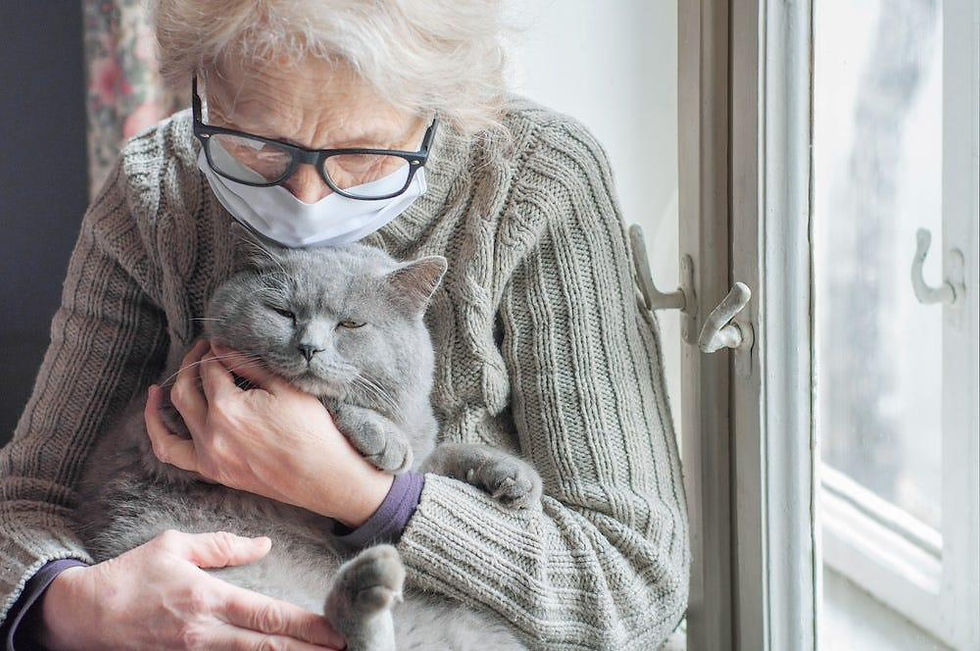
Many pet parents assume these changes are simply “old age,” but sometimes they point to something more specific—feline cognitive dysfunction, often called cat dementia.
The good news is that a cat with dementia can still live a peaceful, loving, and meaningful life with the right care and understanding.
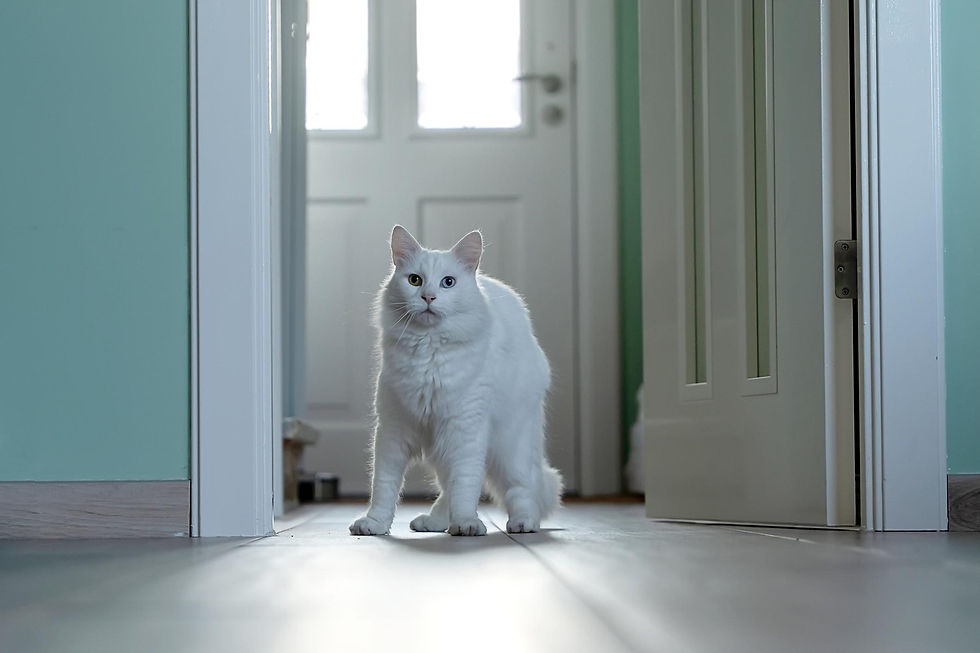
One of the earliest signs is confusion. Your cat may seem lost in familiar places or pause as if she forgot what she was doing. Some cats wander aimlessly through the house or become trapped behind furniture because they no longer remember how to back out. Others may stare at walls or appear disconnected from their surroundings.
Changes in sleep patterns are also very common. Senior cats with dementia often sleep more during the day and become restless or vocal at night. Many owners describe nighttime yowling that seems to come from anxiety or disorientation rather than pain.
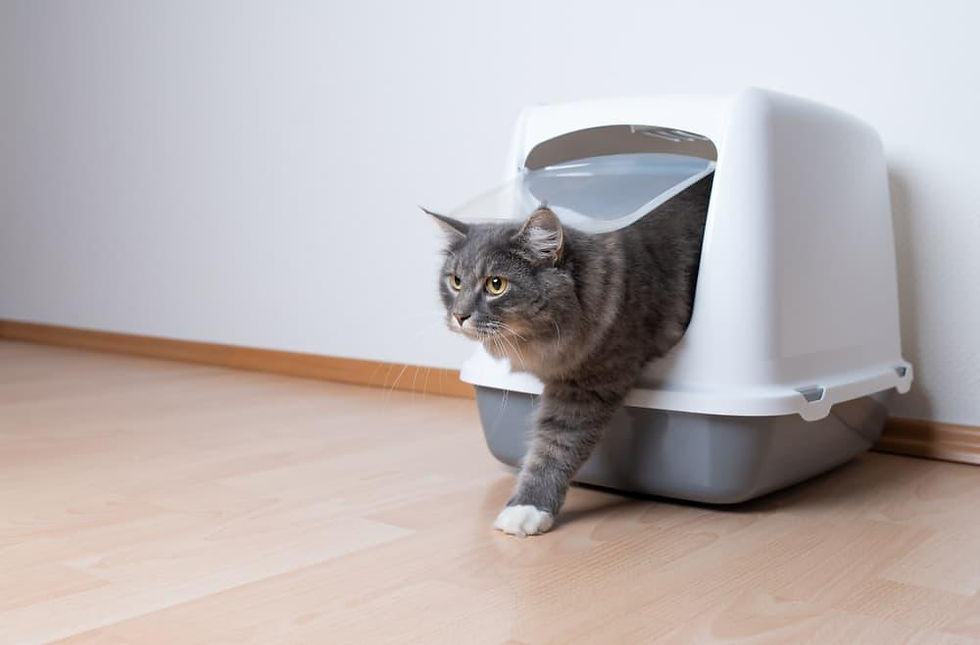
You may also notice litter box accidents. This does not automatically mean your cat is being stubborn or difficult. A cat with cognitive decline may simply forget where the box is located or become confused about how to get there in time.
Behavioral changes can happen gradually. Friendly cats may become withdrawn. Independent cats may suddenly follow you everywhere. Some cats become anxious or easily startled, while others lose interest in play, grooming, or interaction.
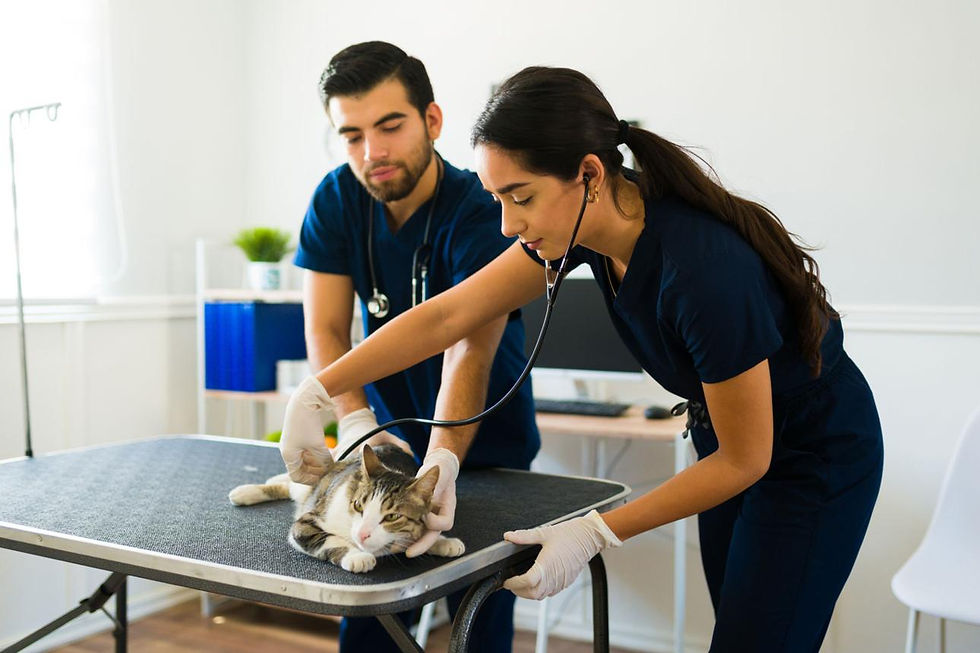
Of course, many medical conditions can mimic dementia, including thyroid disease, high blood pressure, kidney disease, arthritis, hearing loss, or vision problems. That’s why a veterinary visit is so important anytime you notice major behavioral changes in a senior cat.
Once medical issues are ruled out, there are many gentle ways to support a cat living with dementia.
How to Help Your Cat Feel Safe.
Routine becomes extremely important. Cats with cognitive decline feel safest when life stays predictable. Try to keep feeding times, sleeping areas, and daily schedules consistent. Even small changes in furniture placement can sometimes increase confusion.
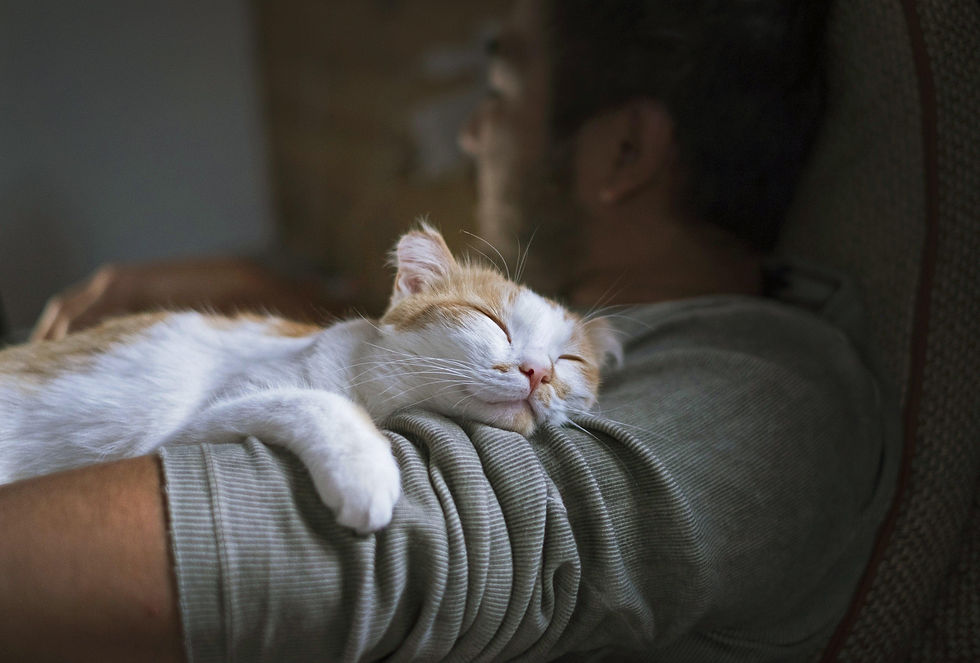
Make the environment easier to navigate. Keep litter boxes easy to reach and consider adding extra boxes around the house, especially if your home has multiple floors. Nightlights can help cats who become confused in the dark. Soft bedding in warm, quiet areas gives them safe places to retreat and rest.
Avoid overstimulation. Loud televisions, chaotic activity, or frequent visitors may increase stress in some senior cats. Calm voices, gentle touch, and peaceful surroundings can make a tremendous difference.
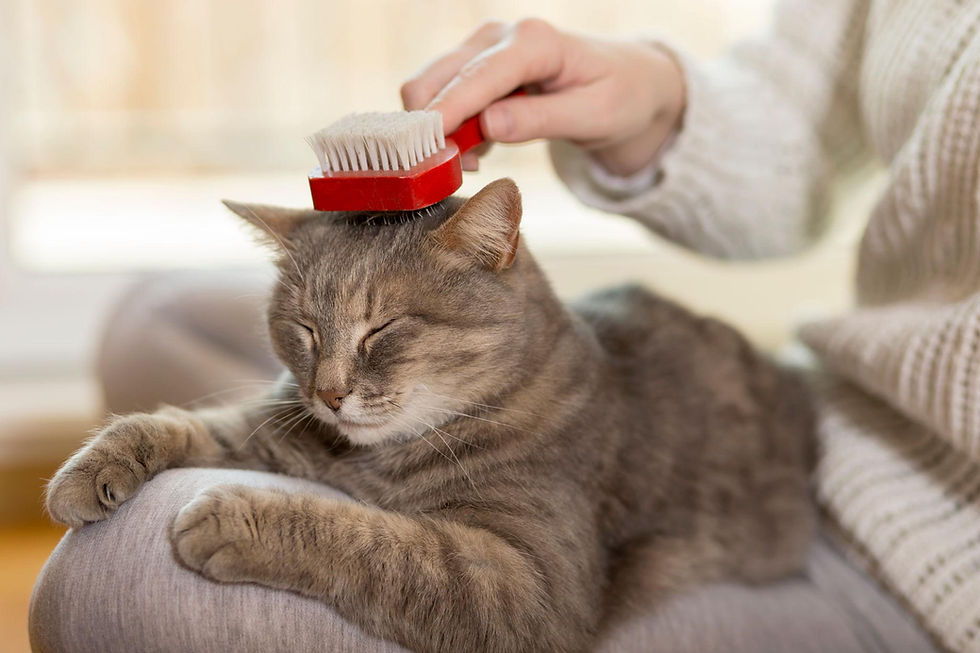
Interactive attention still matters, even if your cat seems older and slower. Gentle brushing, sitting together quietly, or short play sessions can provide comfort and mental stimulation. Some cats respond very well to food puzzles or simple enrichment activities designed for seniors.
Nutrition may also help support cognitive health. Some veterinary diets contain antioxidants, omega-3 fatty acids, and nutrients intended to support brain function in aging pets. Your veterinarian can help determine whether supplements or prescription diets may be appropriate.
Most importantly, remember this: your cat is not “bad,” “senile,” or “difficult.” Dementia can be frightening and confusing for them. What they need most is patience and reassurance.
In Conclusion:
There is something deeply sacred about caring for an elderly animal. These companions have loved us through years of our lives, often quietly and faithfully. When their world becomes uncertain, our calm presence becomes their anchor.
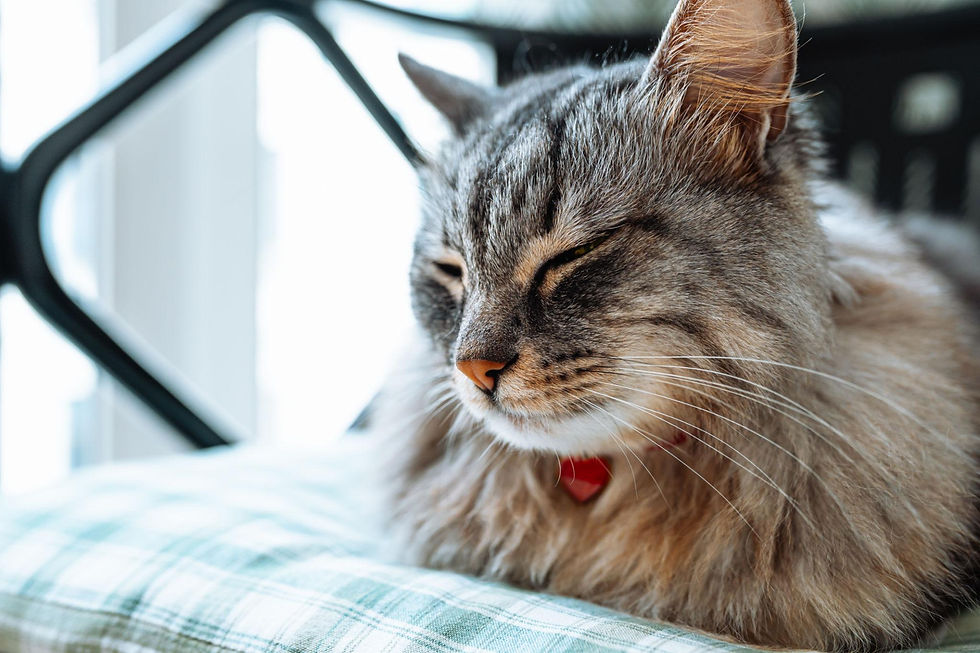
Sometimes the greatest act of love is simply helping them feel safe.
At Your Furry Godmothers LLC, we understand the unique needs of senior and medically fragile pets. We provide compassionate in-home care designed to reduce stress and help aging pets remain comfortable in familiar surroundings.

If your senior cat needs gentle, experienced care while you work or travel, we would love to help. Call us today for a free meet-and-greet at 405-673-3306 or visit Your Furry Godmothers LLC



Comments